Case study · Talk
The Room Acoustics You Never Noticed:
acoustics in plain words
A talk for the public and interior designers. We started from everyday rooms, showed how sound travels through a space, then used real projects to show what design can do about it.

Why this topic
How a room sounds is decided at the design stage
Most people judge a space by its materials, lighting and flow. Few think about sound first. Then the build is done, people move in or open for business, and they find that speech echoes and music turns to mush. By then it's hard to fix. Many sound problems can be avoided with a little more thought at the design stage, so we took these ideas to the people who use spaces and the people who design them.
What we covered
From the basics to real projects
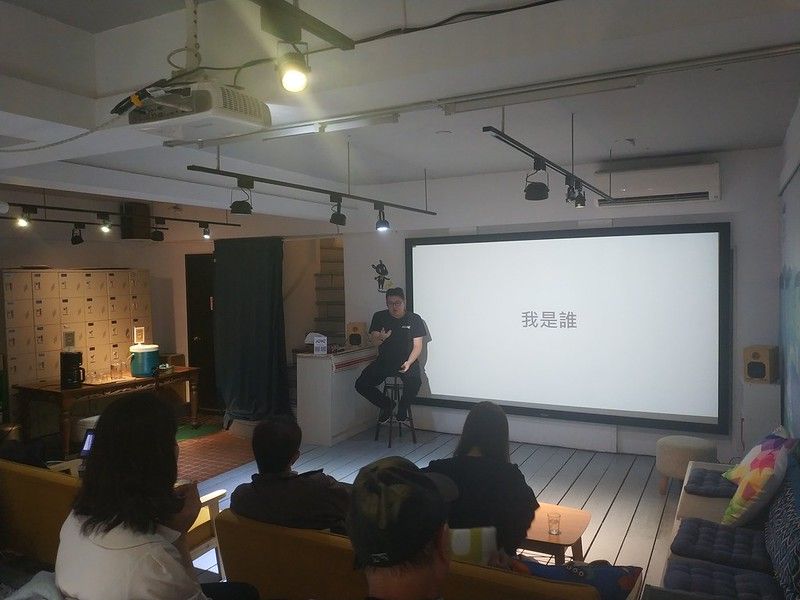
The first half covered the basics of room acoustics: how sound reflects off walls, ceilings and floors, and why some rooms echo while others sound dull. We used everyday rooms as examples and kept the theory light.
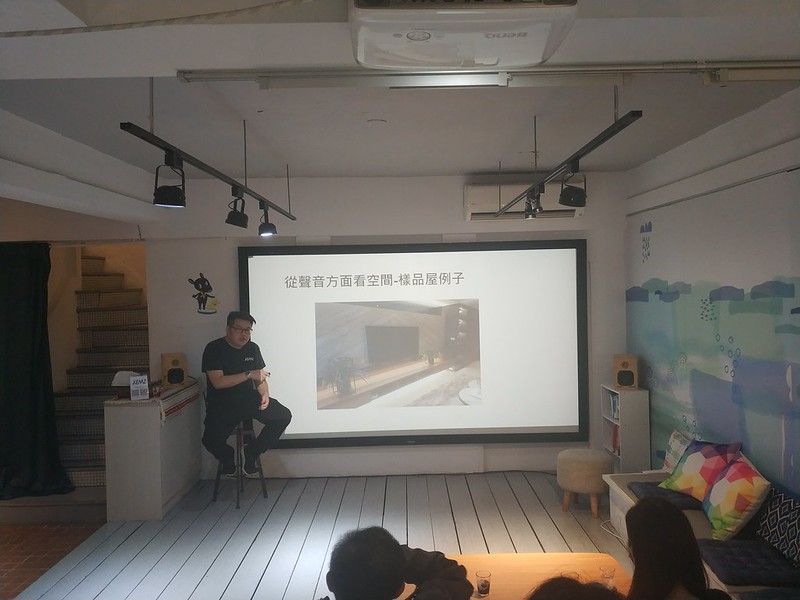
The second half walked through real projects, such as a show flat. We looked at the same space from the point of view of sound: which materials and furnishings affect it, and what to watch for at the design stage.
The speakers in the room were KENAZ, Longtai's own speaker brand.
The takeaway
Explaining acoustics clearly is part of our everyday work
Designers and owners don't need to know acoustic theory, but they do need to know which decisions affect the sound. Our consulting and our work with interior designers come down to the same thing: putting acoustics in plain words, so the right calls get made before the build starts.
Gallery
Want to get the sound right
before the build?
Email us what the space is for and where your design stands, and we'll reply to talk it through.